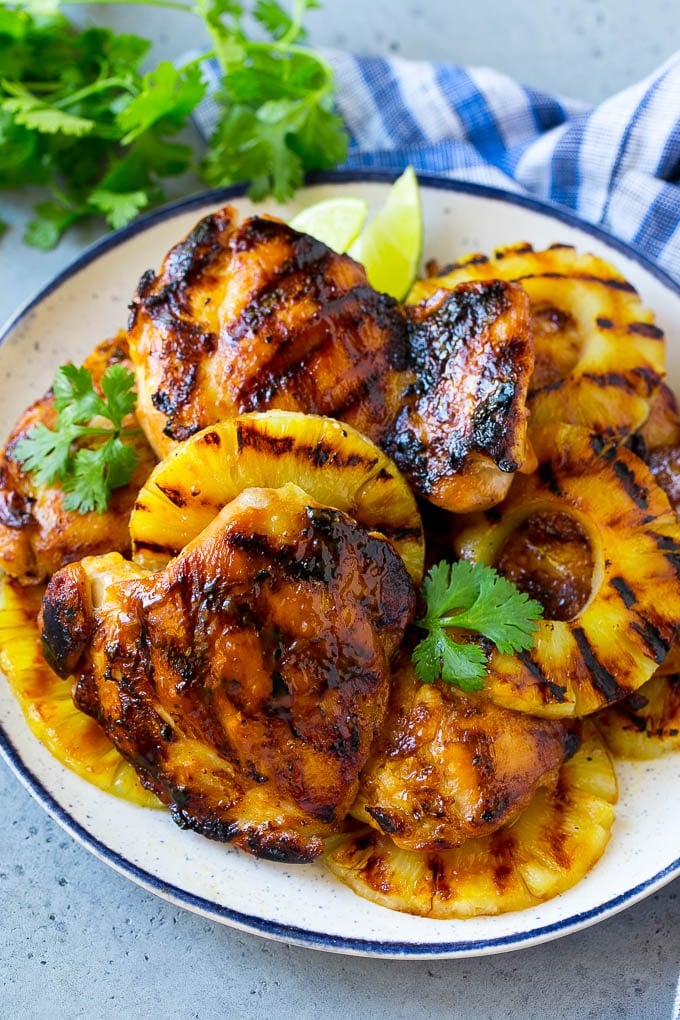
Secrets to Perfect Hawaiian Coconut Chicken & Pineapple Salsa
Imagine a gentle breeze, the sound of waves, and the irresistible aroma of a truly spectacular meal wafting through the air. That’s the magic of a perfectly executed Hawaiian Coconut Grilled Chicken with Pineapple Salsa. This dish isn't just a recipe; it's a passport to paradise, a symphony of sweet, savory, tangy, and subtly spicy notes that dance on your palate. It's an essential for any summer barbecue, a vibrant centerpiece for a family gathering, or a delicious escape on a weeknight. While it might sound exotic, achieving culinary perfection with this tropical delight is entirely within your grasp. We're about to unlock the secrets to a dish that will have everyone asking for your recipe.
The Foundation: Crafting the Irresistible Coconut Marinade
The journey to an unforgettable Hawaiian Coconut Grilled Chicken with Pineapple Salsa begins with the marinade. This isn't just a flavor enhancer; it's the tenderizing, aromatic heart of the dish, infusing the chicken with that signature tropical essence. The key is a delicate balance of creamy coconut, bright acidity, and earthy aromatics.
- Full-Fat Coconut Milk: This is non-negotiable. Don't skimp with light coconut milk, as the full-fat version provides the richness, creaminess, and authentic flavor that coats the chicken beautifully and prevents it from drying out on the grill.
- Fresh Lime Juice: The acidity from lime juice is crucial. It brightens the flavors, cuts through the richness of the coconut, and acts as a natural tenderizer, ensuring your chicken is incredibly juicy.
- Garlic and Ginger: These aromatic powerhouses provide a warm, slightly pungent foundation that complements the sweetness of the coconut and pineapple. Freshly grated is always best for maximum impact.
- Soy Sauce (or Tamari for Gluten-Free): Adds umami depth and a touch of saltiness that balances the other ingredients.
- Brown Sugar or Honey: A touch of sweetness helps with caramelization on the grill, creating those coveted charred edges and a delicious glaze.
- A Hint of Heat: A pinch of red pepper flakes or a dash of Sriracha can add a subtle kick that elevates the flavor profile without overpowering it.
For the best results, chicken thighs are often recommended for grilling due to their higher fat content, which keeps them moist and flavorful. However, boneless, skinless chicken breasts can also be used; just be mindful of overcooking. If using breasts, consider scoring them lightly to allow the marinade to penetrate deeper. Marinate the chicken for at least 30 minutes, but for truly spectacular flavor, aim for 2-4 hours, or even overnight in the refrigerator. This extended soak allows all those incredible flavors to fully meld and transform the chicken into a succulent, fragrant masterpiece. For a deeper dive into ingredient choices and marinade variations, you might find The Ultimate Hawaiian Coconut Chicken & Pineapple Salsa Guide incredibly helpful.
Grilling to Perfection: Achieving That Golden, Juicy Finish
Now that your chicken is infused with tropical goodness, it's time to bring it to life on the grill. Grilling is an art, but with a few simple techniques, you can achieve that sought-after golden-brown exterior and a tender, juicy interior that truly defines perfect Hawaiian Coconut Grilled Chicken with Pineapple Salsa.
- Prep the Grill: Ensure your grill grates are clean and well-oiled to prevent sticking. Preheat your grill to a medium-high heat (around 375-400°F or 190-200°C).
- Pat Dry: Before placing the chicken on the grill, gently pat off any excess marinade. While the marinade adds flavor, too much liquid on the surface will steam the chicken rather than sear it, preventing that beautiful Maillard reaction (the browning that creates rich flavor).
- Sear and Cook: Place the chicken on the hot grill. Let it sear undisturbed for 4-6 minutes per side, depending on thickness, until you see attractive grill marks and a golden-brown crust. Resist the urge to constantly flip it! This initial sear locks in juices and builds flavor.
- Manage Heat: If your grill has multiple zones, move the chicken to a cooler part of the grill to finish cooking through without burning the exterior. Close the lid to help cook the chicken more evenly.
- Check for Doneness: The most crucial step is ensuring the chicken is cooked through but not overcooked. An internal temperature of 165°F (74°C) is ideal. Use an instant-read thermometer inserted into the thickest part of the chicken.
- Rest, Rest, Rest: Once cooked, remove the chicken from the grill and let it rest on a cutting board, loosely tented with foil, for 5-10 minutes. This allows the juices to redistribute throughout the meat, resulting in incredibly moist and tender chicken. Skipping this step is a common mistake that leads to dry chicken.
For those without a grill, you can achieve excellent results by baking or pan-searing. For baking, preheat your oven to 400°F (200°C) and bake for 20-30 minutes, or until cooked through. For pan-searing, use a heavy-bottomed skillet over medium-high heat, searing each side until golden and then reducing heat to finish cooking. Regardless of your cooking method, the goal is always a juicy, flavorful piece of chicken that perfectly complements the vibrant salsa. It's this masterful grilling technique that makes this dish an absolute hit, especially as a summer staple. Learn more about its seasonal appeal in Why Hawaiian Coconut Chicken with Pineapple Salsa is Your Summer Essential.
The Star Sidekick: Mastering the Pineapple Salsa
While the coconut grilled chicken is undoubtedly the star, the pineapple salsa is its indispensable sidekick, providing the essential fresh, tangy, and vibrant counterpoint that makes the dish truly harmonious. A great salsa is all about fresh ingredients and balanced flavors.
- Fresh Pineapple: This is the soul of the salsa. Choose a ripe pineapple that smells sweet at the base and gives slightly when pressed. Dice it into small, uniform pieces for the best texture.
- Red Onion: Finely diced red onion adds a crisp texture and a pungent kick. For a milder flavor, you can soak the diced onion in cold water for 10 minutes, then drain thoroughly.
- Fresh Cilantro: Chopped fresh cilantro brings an herbaceous, bright note that ties all the flavors together. If you're not a fan of cilantro, fresh mint can be a surprising and delicious alternative.
- Jalapeño (Optional, but Recommended): For a touch of heat, finely mince a seeded jalapeño. If you prefer more heat, leave some of the seeds and membranes in.
- Lime Juice: Freshly squeezed lime juice is absolutely critical here. It brightens all the flavors, adds tang, and helps to "cook" the raw ingredients slightly, melding them beautifully.
- Bell Pepper (Optional): A finely diced red or yellow bell pepper can add extra color and a subtle sweetness without overpowering the pineapple.
To assemble the salsa, simply combine all the ingredients in a bowl. Gently toss to combine, ensuring everything is evenly coated with the lime juice. For the best flavor, allow the salsa to sit for at least 15-20 minutes at room temperature before serving. This resting period allows the flavors to meld and deepen, creating a more cohesive and delicious experience. The beauty of this salsa is its versatility; it's not just for chicken! It pairs wonderfully with grilled fish, pork, tacos, or even as a vibrant dip with tortilla chips.
Pairing & Presentation: Completing the Tropical Feast
A truly perfect meal isn't just about the main components; it's about the entire experience. Thoughtful pairing and presentation elevate your Hawaiian Coconut Grilled Chicken with Pineapple Salsa from a delicious meal to an unforgettable feast.
What to Serve Alongside:
- Coconut Rice: This is a classic pairing that enhances the tropical theme. Simply cook jasmine rice with a portion of coconut milk and water, along with a pinch of salt.
- Jasmine or Brown Rice: A simple, fluffy bed of rice is always a welcome accompaniment, soaking up any delicious juices.
- Grilled Vegetables: Asparagus, bell peppers, or zucchini grilled alongside the chicken add texture and nutrients.
- Tropical Salad: A light green salad with a lime vinaigrette, perhaps incorporating some mango or avocado, would be refreshing.
Presentation Tips:
- Slice the Chicken: For easier eating and an attractive presentation, slice the rested chicken breasts or thighs against the grain before serving.
- Layer and Garnish: Spoon a generous portion of rice onto each plate, top with the sliced chicken, and then spoon a vibrant mound of pineapple salsa over and around the chicken.
- Freshness is Key: Garnish with extra fresh cilantro sprigs or lime wedges to add a final touch of color and allow diners to add more acidity if desired.
Consider preparing some of the components ahead of time to make serving even easier. The marinade can be prepped the night before, and the salsa can be made a few hours in advance, allowing its flavors to deepen. This allows you to spend less time in the kitchen and more time enjoying the company and the incredible flavors of your tropical creation.
Mastering the secrets to perfect Hawaiian Coconut Grilled Chicken with Pineapple Salsa is more than just following a recipe; it's about understanding the synergy between sweet, savory, and tangy, and appreciating the value of fresh, high-quality ingredients. From the rich, tenderizing marinade to the perfectly grilled chicken and the vibrant, refreshing salsa, each element plays a crucial role in creating a dish that transports you straight to the shores of Hawaii. So fire up your grill, gather your ingredients, and prepare to delight your senses with this truly spectacular and unforgettable tropical culinary journey.
